
Through the Keele University Internship Programme, Liam joined the SMS Foundation for the summer to complete a project around visual impairment. Liam himself went from being able to read and write in perfect 20/20 vision, completing his GCSE examinations in 2017, to having someone else read his results a mere few months later, on results day.
He suffers from Leber’s hereditary optic neuropathy (LHON), which is the acute or subacute loss of central vision predominantly affecting young adult males. This has given Liam a unique perspective into the world of visual impairments and has allowed him to produce insightful and empathetic blog posts and podcasts on a number of impairments that appear to be most common in SMS.
Below is a snippet of what is to come from these blogs!
Styes, Cysts, and Eyelid Growths
What are Styes?
A stye is an infection in the edge of the eyelid. They are usually caused by staphylococcal bacteria infections at the base of your eyelash. Most styes look like a small yellow, pus-filled spot on the edge of the eyelid. External styes appear along the edge of the eyelid and are caused by an infection in the hair follicle of an eyelash. Internal styes occur when a meibomian gland in the main part of the eyelid becomes infected. Internal styes form on the inside of the eyelid against the eyeball.
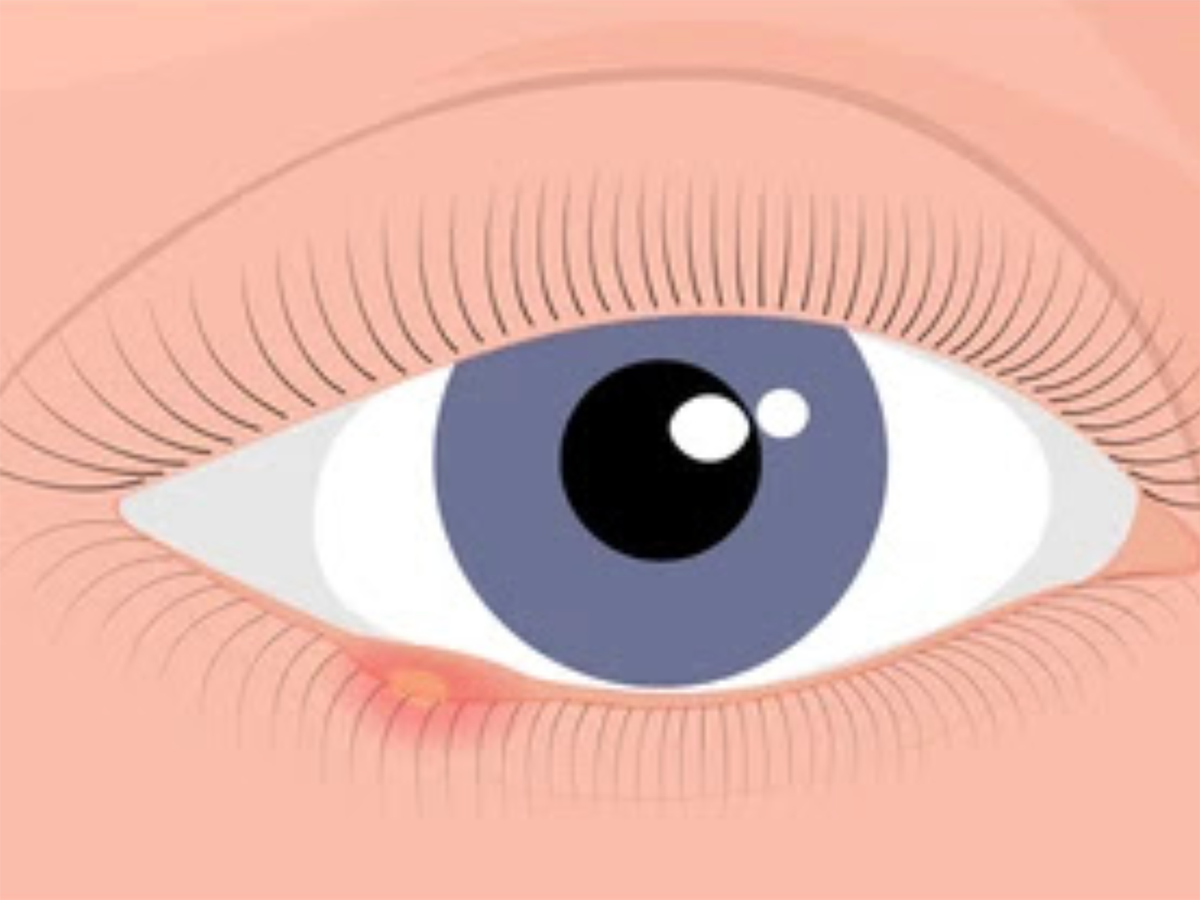
Usually no treatment is needed, although hot compresses can help. If, however, the stye persists, doctors may opt to drain it. With an external stye, a sterile needle or a scalpel is used to open the stye and drain the pus. With an internal stye, doctors will numb the area with local anesthetic, flip the eyelid inside out and scrape out the stye.
Meibomian Cysts?
Meibomian cysts can also be called chalazions; they are small, non-infectious lumps that develop in the eyelids due to a blockage of the meibomian gland (the oil gland in the eyelid). Meibomian cysts often develop from an untreated stye; when the infection of the stye is left untreated, the bacteria and debris can become a hard ball under the lid, forming a cyst.
Meibomian cysts usually resolve on their own, but this can take a few months. They can be treated with warm compresses, antibiotic ointments, or steroid injections. If they don’t resolve on their own, surgical drainage may be necessary. Doctors will numb the eyelid and then scrape out the cyst.
Papillomas
Papillomas are small growths usually caused by a virus and can be quite similar to warts. Most often papillomas are benign, but some may be precancerous or even malignant. They can grow to various sizes, but stay atop the skin of the eyelid. They are easy to remove, with minor excision or through cauterisation.
Astigmatism
What is Astigmatism?
Astigmatism describes the incorrect curvature of the eye’s cornea or lens. Usually, an eye is shaped like a football, but with astigmatism, it will appear more rugby ball-shaped.
The cornea and lens in a normal eye is smooth and has an equal curve in all directions. This allows the light rays to focus sharply onto the retina. But if the cornea or lens isn’t smooth and even then the light rays can’t be bent (refracted) properly this is called a refractive error.
When your cornea has a distorted shape, you have corneal astigmatism. When the shape of your lens is distorted, you have lenticular astigmatism. In either case, your vision for both near and far objects can be blurry or distorted. It could be described as looking into a circus funhouse mirror where you can appear tall or short for example.

How is Astigmatism Treated?
Mild to moderate astigmatism can usually be corrected with eyeglasses or contact lenses. These work through compensating for uneven curves in the lens or cornea. Surgery, including LASIK, may be an option for some people with astigmatism.
Hyperopia
What is Hyperopia?
Hyperopia or farsightedness is a common vision condition in which far-away objects can be seen more clearly compared to close-up objects which can appear blurry. People with severe hyperopia may be able to clearly see only objects a great distance away, while those with mild farsightedness may be able to clearly see objects that are closer.

This condition is caused by a refractive error meaning that the eye does not bend or refract light properly to a single focus to see images clearly. This can be because the eyeball is too short, the cornea (transparent layer at the front of the eye) is too flat, or simply that the lens inside the eye is unable to focus properly. And an eye test at the opticians can help confirm whether you have hyperopia.
Symptoms of hyperopia include:
- Nearby objects may appear blurry or difficult to see, perhaps causing you to squint when trying to look at these objects.
- Eyestrain could occur, causing a burning or ache of the eyes and perhaps causing you to want to itch them.
- It may cause you to experience headaches when doing close work like reading, writing, looking at computer screens, and drawing.

How is hyperopia treated or managed?
Treatment methods include:
- Prescription glasses containing specially made lenses to ensure light is focused onto the back of your eyes correctly.
- Contact lenses – some people prefer these to glasses because they are lightweight.
- Refractive surgery – a laser is used to change the shape of the cornea, which may mean you don’t need to wear glasses or contact lenses.
 Strabismus